
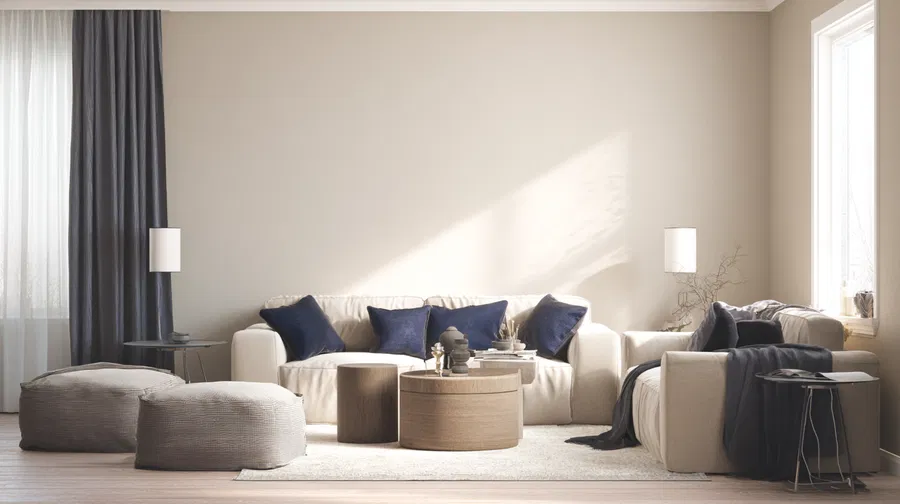

Color has the power to completely redefine how a living room feels — it can open up a small space, make a large one feel cozy, or shift the atmosphere from calm to creative in an instant. In modern interiors, color isn’t just decoration; it’s the language of design. The right palette builds harmony between architecture, furniture, and light, while the wrong one can make even the most expensive décor look disconnected.
Modern living rooms today embrace the full emotional spectrum — from warm neutrals that evoke serenity to deep, confident shades that make a statement. Whether your taste leans toward minimalist beige or moody navy, success lies in balance: tones that flow naturally, textures that add depth, and lighting that reveals every subtle nuance.
As you explore the most inspiring modern living room color ideas, you’ll see how every hue tells its own story — one of comfort, creativity, and personality.
The Power of Color in Modern Living Rooms#
Color forms the emotional foundation of a space. Before you even notice the furniture, the walls have already told your mind how to feel — relaxed, energized, or inspired. In modern living rooms, color isn’t just a visual accent; it’s a quiet architect that defines proportion, light, and emotion — and it works best alongside the layouts, furniture, and lighting from your favorite modern living room ideas.
The right palette can make a compact room feel open or turn a neutral layout into something deeply personal.
Modern design treats color intentionally. Every hue has a role — warm neutrals bring calm, cool tones sharpen focus, and dark accents add drama and structure. When you understand how shades interact and how lighting transforms them, you gain control over the entire mood of your home.
Why Color Psychology Matters in Interior Design#
Color shapes emotion as much as space. Beige and cream communicate safety and softness — perfect for areas meant for rest. Blues and greens encourage clarity and mental ease, while bold shades like navy, terracotta, or mustard spark confidence and creativity. Designers use these psychological cues deliberately to craft spaces that feel right, not just look right.
Trends Shaping Modern Living Room Palettes#
Trends come and go, but balance always stays in style. Modern interiors favor organic harmony — soft neutrals mixed with textured surfaces, matte finishes paired with wood or stone. Deep blues, olive greens, and muted clays add depth without stealing calm. The evolution isn’t in which colors we use, but how we layer them — texture against tone, light against shadow. That interplay defines the modern living room aesthetic.

The Timeless Appeal of Neutral Palettes#
Neutral colors are the quiet backbone of modern design. Soft, balanced, and endlessly adaptable, they create spaces that feel calm, bright, and elevated. A living room built on neutrals doesn’t need to compete for attention — it communicates sophistication through subtlety. Beige, ivory, and greige remain timeless because they blend seamlessly with every style, from Scandinavian minimalism to organic modern.
Neutrals also act as a bridge between architecture and décor. They let furniture, art, and materials breathe while keeping the room cohesive. When used intentionally, a neutral palette turns simplicity into luxury — not the flashy kind, but the kind that endures.
Shades of Beige, Ivory, and Greige#
Each neutral carries its own mood. Beige radiates warmth and comfort, the tone of early sunlight and natural linen. Ivory reflects purity and light, expanding even compact rooms. And greige, that subtle fusion of gray and beige, balances warm and cool undertones perfectly. The secret is layering — ivory walls, a greige sofa, beige curtains — creating a rhythm that’s calm yet multidimensional.
Pairing Neutrals with Natural Textures#
A neutral color palette truly comes alive when paired with tactile materials like oak, rattan, linen, or stone. Texture adds character where color steps back. Picture a matte plaster wall beside a jute rug, or a cream sofa anchored by a walnut coffee table. Each pairing whispers quiet sophistication — minimalism, but with warmth and soul.
Accentuating with Light and Shadow#
Neutral spaces thrive on light. They absorb and reflect it softly, shifting from bright and airy by day to warm and golden by evening. Designers rely on this fluidity instead of fighting it — allowing natural and artificial light to rewrite the room’s tone throughout the day.
Mixing Warm and Cool Neutrals#
The best neutral palettes combine opposites. Warm taupe beside cool gray, ivory layered over charcoal — this subtle contrast prevents monotony and adds dimension. The formula is simple: one dominant hue, one supporting, one accent. When balanced right, the space feels timeless, cohesive, and quietly refined — the signature of modern living room design.

Soft Pastels for a Calm and Airy Feel#
Soft pastels bring a sense of peace that feels almost effortless. They’re gentle yet expressive, adding personality without overpowering the room. In modern interiors, pastels bridge minimalism and warmth — a whisper of color that turns simplicity into serenity.
Whether it’s a pale blush wall or a mint-green throw on a gray sofa, these hues breathe optimism and clarity into the space. Unlike bold tones, pastels don’t demand attention — they invite it.
They diffuse light beautifully, making a living room feel brighter and more spacious. For smaller homes or rooms with limited sunlight, they’re a secret weapon. Combined with simple lines and natural textures, pastels create a mood that feels like a slow, deep breath — especially when you pair them with small modern living room ideas that keep furniture light and layouts open.
Subtle Pinks, Mints, and Sky Blues#
Each pastel shade carries its own personality. Soft pink adds a hint of warmth and tenderness. Mint green brings freshness and natural balance — perfect alongside white or blonde wood. Sky blue opens the space visually, mirroring the calm of a clear horizon. Together, they form a palette that feels light, mindful, and modern — gentle but never dull.
Creating a Soothing Scandinavian Look#
Pastels and Scandinavian design go hand in hand. Both celebrate brightness, simplicity, and authenticity. Think pale oak floors, linen curtains, and a pistachio-tinted wall — everything feels clean yet cozy. The trick is restraint: two or three pastel shades are enough. Add layers of wool, ceramic, and cotton to introduce warmth without clutter.
Balancing Pastels with Neutrals#
To keep pastels mature rather than sugary, pair them with grounded tones — beige, gray, ivory. A pastel armchair against a neutral wall, or mint cushions on a cream sofa, brings refined contrast. This blend keeps the palette sophisticated and balanced, not childlike.

Earthy Tones Inspired by Nature#
Earthy colors bring calm, warmth, and a sense of grounding — they remind us of soil, stone, and sunlight. In modern living rooms, these tones reconnect the space with nature, making it feel organic and balanced. While bright hues energize, earthy shades comfort. They bridge the outdoors and indoors, wrapping the room in a soft, timeless warmth.
Modern design celebrates imperfection — raw materials, organic shapes, and hues that feel authentic. Terracotta, sage, and sand don’t just look beautiful — they feel restorative. These are the colors of clay pots, weathered wood, and morning dunes. Together, they create a palette that soothes without ever feeling dull.
Terracotta, Sage, and Sand Combinations#
Terracotta is the soul of earthy palettes — warm, textured, and full of personality. It pairs perfectly with sage green, whose calm undertone balances terracotta’s energy. Add sandy beige or taupe as a base, and you get a palette that feels rustic yet sophisticated. Try terracotta cushions, sage walls, and sand-colored rugs — the room instantly feels grounded but fresh.
Bringing Warmth and Grounding Energy Indoors#
Earth tones naturally slow the visual rhythm of a space. They calm the eye and create an environment where energy settles instead of scattering. Combine them with tactile materials — linen, rattan, raw wood, ceramic — to amplify this feeling. A clay vase on a walnut table or a woven rug on stone flooring evokes warmth without heaviness.
Lighting enhances the effect: soft, warm light enriches terracotta and beige, while natural daylight reveals sage’s subtle green. Place earthy colors near windows or reflective surfaces to make them glow gently throughout the day.
Layering Earthy Tones for Depth#
To make earthy tones dynamic, layer them like nature itself — bark over soil, leaves over rock. Mix shades of brown, olive, and rust to add depth without clutter. Use matte finishes for walls and textured fabrics for furniture to maintain visual softness. This layered approach adds dimension and authenticity — the kind of “lived-in luxury” that modern homes strive for.

Bold Statements with Deep Blues and Charcoal#
Deep blues and charcoal tones bring instant sophistication to a living room. They add drama, depth, and structure — creating a space that feels elegant, confident, and intentional. While light palettes expand space, darker hues define it. They don’t just color a room; they shape it.
Using dark colors isn’t about making a space gloomy — it’s about creating atmosphere. A navy wall, charcoal sofa, or indigo rug can anchor the design and make lighter elements pop. When balanced with texture and light, these shades don’t darken a room — they enrich it.
Navy and Indigo for Dramatic Depth#
Navy and indigo are classics reborn in modern interiors. They’re bold yet timeless, equally at home in minimalist lofts and traditional homes. Navy pairs beautifully with warm metals like brass and gold, soft leather, or creamy textiles. Indigo brings a touch of vibrancy, especially next to linen, stone, or oak.
Contrast and texture are key. Matte navy absorbs light and feels cocooning, while satin or silk finishes reflect it, keeping the mood open. Add reflective surfaces — glass, mirrors, metallic accents — to make dark tones glow instead of absorb light.
Balancing Dark Walls with Light Furniture#
Balance heavy colors with visual breathing space. Use light furniture — cream, ivory, blonde wood — against navy or charcoal backgrounds. It keeps the room bright and highlights each piece like an artwork. Soft fabrics, linen drapes, and plush rugs help diffuse the contrast and make everything feel inviting.
If you’re also choosing new pieces, explore modern living room furniture trends to keep the room open, comfortable, and visually light.
When to Use Charcoal Instead of Black#
Black can be striking, but it’s often too stark for everyday living spaces. Charcoal offers the same sophistication with softer depth. It works beautifully on cabinetry, accent walls, or fireplaces, grounding the design without overwhelming it. Paired with natural textures — oak, jute, rattan — it feels both modern and cozy.

Balancing Light and Dark: How to Layer Colors Like a Designer#
Every beautiful living room achieves balance — not by matching, but by orchestrating contrast. Light and dark tones create rhythm and movement, guiding the eye across the space. Too much brightness feels flat; too much darkness, heavy. Layering them correctly brings harmony and sophistication.
Designers treat color like choreography — a conversation between light and shadow, matte and gloss, fabric and wood. The result is depth that feels natural and effortless.
Applying the 60-30-10 Rule#
The 60-30-10 rule keeps every palette visually balanced.
- 60 % – the dominant color (often a neutral: beige, ivory, greige).
- 30 % – the secondary tone adding depth (navy, sage, terracotta).
- 10 % – the accent color (gold, black, coral) that adds personality.
This proportion ensures cohesion without monotony. Swap accents seasonally — coral in summer, navy in winter — and the room stays fresh while maintaining its harmony.
Layering Tones Through Textiles and Finishes#
True layering extends beyond color to texture. Combine velvet with linen, matte paint with glossy ceramics, wool rugs with polished metal. Each finish reflects light differently, giving even a monochrome palette visual movement.
Start with your base tone — say, greige walls — then build contrast: darker furniture, mid-tone cushions, pale wood accents. Add touches of metal or stone for punctuation. When every layer works together, the result feels intentional, inviting, and complete.

Accent Colors That Transform the Space#
Accent colors are the sparks that bring a living room to life. They don’t dominate — they energize. Even the calmest neutral palette gains character when one bold hue enters the scene. A coral pillow, emerald vase, or mustard chair adds rhythm and warmth instantly.
Modern design uses accents like punctuation marks — small, deliberate, and full of personality. They guide the eye, highlight key pieces, and create emotional contrast. The trick is restraint: just enough to excite without overwhelming.
Mustard, Coral, and Emerald Highlights#
Mustard adds cheerful depth — warm yet refined, perfect for neutrals that need vibrancy.
Coral injects energy and softness, brightening gray or beige interiors.
Emerald introduces richness and nature, pairing beautifully with brass, walnut, or navy.
Use accent shades sparingly but purposefully: a chair, an artwork, a set of cushions. Repeat each hue in at least two places — a throw and a lamp, for example — to make the palette feel cohesive.
How Small Pops of Color Make a Big Impact#
It’s surprising how little color it takes to change a mood. A single bold item against soft neutrals becomes a focal point. Designers leverage this optical pull to direct attention — a teal vase on marble, a mustard pillow on beige linen. Contrast gives color its power.
The secret? Breathing space. Let your accents stand out against calm surroundings. In modern interiors, luxury often lies in precision, not abundance.
Rotating Accents for Seasonal Freshness#
Accent colors are also the easiest way to refresh a room. Swap textiles and décor by season — coral and linen for summer, emerald and velvet for winter. With a neutral foundation, these changes redefine the mood without repainting or redecorating. It’s an effortless way to keep your living room evolving with the light and seasons.

Texture and Lighting: The Hidden Side of Color#
Color never exists alone — it lives through texture and light. The same paint, the same fabric, can look completely different from morning to evening. That’s because light and surface finish shape how our eyes perceive tone, depth, and warmth. In a modern living room, mastering this relationship is what turns a flat design into a dynamic one.
Texture adds dimension; light adds life. Matte absorbs, gloss reflects. Soft fabrics mute color, while sleek metals amplify it. The most beautiful spaces play with these contrasts, letting daylight and artificial light reveal subtle shifts throughout the day. When balanced well, even the simplest palette becomes an evolving experience — a space that moves with time.
How Lighting Temperature Changes Color Perception#
Light has color too — and it changes everything.
- Warm light (2700K–3000K) adds golden richness to beige and cream, perfect for cozy evenings.
- Cool light (4000K–5000K) enhances gray, blue, and white, giving a crisp, gallery-like tone.
- Natural light shifts throughout the day, moving between both ends of the spectrum.
A wall that looks white in the morning can feel ivory by noon and sandy by sunset. Designers embrace this transformation — not resist it. The key is consistency: use bulbs of the same color temperature across your space and always test paint samples under real lighting conditions before committing.
Mixing Matte and Glossy Surfaces for Contrast#
Contrast isn’t just about hue — it’s about finish. Matte surfaces absorb light, giving color velvety depth, while glossy finishes reflect it, creating energy and movement. Combine both to add sophistication: a matte navy wall behind a polished marble table, or satin cabinetry beside woven décor. The balance feels tactile, dynamic, and distinctly modern.
Using Texture to Amplify Warmth#
Texture lets color speak emotionally. Rough materials — rattan, jute, raw wood — enhance the warmth of earthy tones. Smooth surfaces — glass, metal, polished stone — sharpen cool colors like blue and gray. Mixing them creates a sensory rhythm that keeps the room alive, even when the palette is restrained. That’s why a neutral living room can still feel vibrant: it’s not the color variety, but the conversation between textures.

From Mood Boards to Reality: Creating Your Perfect Palette#
Every beautiful living room begins with an idea — a palette pinned to a board, a handful of swatches, or even a favorite photograph. But transforming that inspiration into reality takes more than instinct; it’s about refinement, testing, and layering until harmony emerges. A successful color scheme isn’t just visual — it behaves beautifully under your light, next to your fabrics, and across your furniture.
Start with emotion, not paint. Ask yourself what you want your living room to feel like — calm, cozy, creative? Once you define the feeling, color follows naturally. Designers build relationships between tones, not just combinations — you can too.
Building Your Color Scheme Step-by-Step#
- Choose a base color — your foundation. It might be warm beige, muted sage, or soft gray.
- Add a secondary tone — to create depth and interest (think navy, terracotta, or blush).
- Introduce accent colors — small details that add personality: artwork, cushions, décor.
Test them together — not separately. Paint large swatches, compare fabrics, and observe how everything shifts from morning to night. The goal isn’t perfection, it’s flow — a palette that feels cohesive from every angle of the room.
Tools and Resources for Testing Paint and Fabrics#
You don’t need a design studio to experiment like a professional.
- Coolors, Canva Palette Generator, and Adobe Color help visualize combinations online.
- Paint brands such as Benjamin Moore, Farrow & Ball, and Behr offer virtual color visualizers to simulate lighting effects.
For fabrics, create your own mood board: gather fabric swatches, flooring samples, and printouts of favorite furniture. Feel each texture — linen and velvet reflect color differently. Photograph your samples throughout the day to see how the tones evolve in real light. Once your choices feel right both digitally and physically, trust them. The best palettes are lived with before they’re painted.

Conclusion: Find Your Color Personality#
At the heart of every stunning living room lies one truth — color is personal. It’s not about chasing trends or replicating Pinterest boards; it’s about crafting a space that mirrors you. Maybe you gravitate toward calming neutrals that whisper serenity, or perhaps bold navy and charcoal make you feel grounded and secure. Whatever your instinct, follow it — your palette is your personality expressed through space.
Modern design welcomes individuality. You can mix rules with intuition, elegance with comfort, subtlety with strength. The magic begins when your home feels authentically yours — when every shade, from wall to pillow, tells your story.
Your living room isn’t just a place; it’s an atmosphere — a reflection of your rhythm, your emotions, and your life. Experiment, play, and refine until every hue feels effortless. Once you discover your palette, you won’t just decorate — you’ll define the feeling of home.