
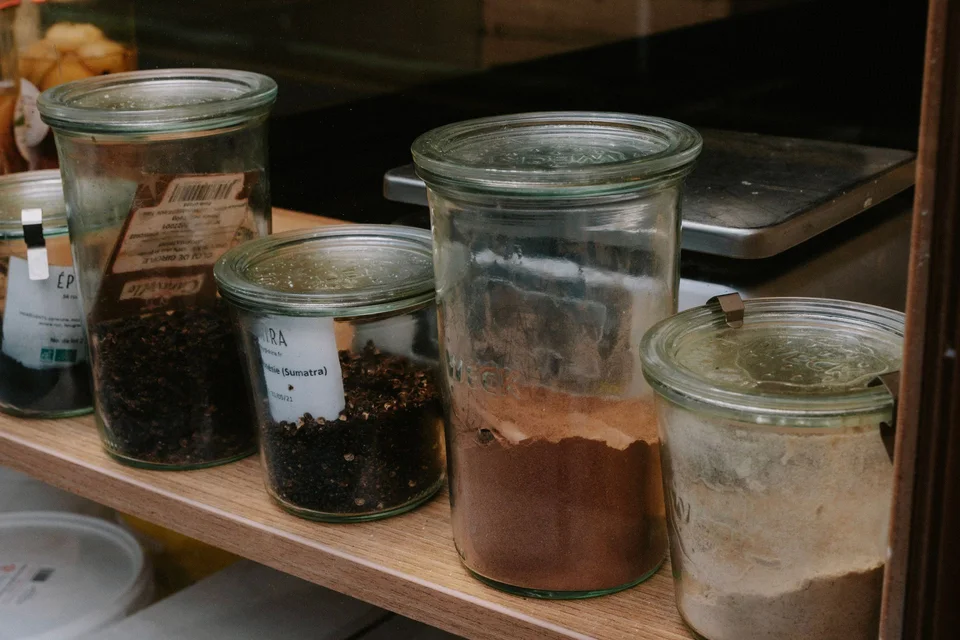





A small spice cabinet can hold a remarkable amount of flavor, but finding the cumin behind three bottles of paprika is not the kind of surprise I want while making dinner. The most effective spice organization makes the labels visible, keeps everyday ingredients close and leaves enough room to return each jar without rearranging the entire shelf.
Start with the spices you actually use. A tidy collection does not need identical glass containers or a perfectly alphabetized display.
Start with a ten-minute cabinet reset#
Set aside one clear shelf or drawer for the seasonings you use regularly. Take out the duplicates, group jars by how you cook, and measure the actual storage opening. If the existing jars and shelf work together, there is no need to buy a matching set of containers.
Empty the cabinet and sort by use#
Place the jars on a clear counter and group duplicates together. Check the contents, the manufacturer’s storage instructions and dates, and whether the lids still close properly. Do not combine unfamiliar powders or mix old and new batches simply to save a jar.
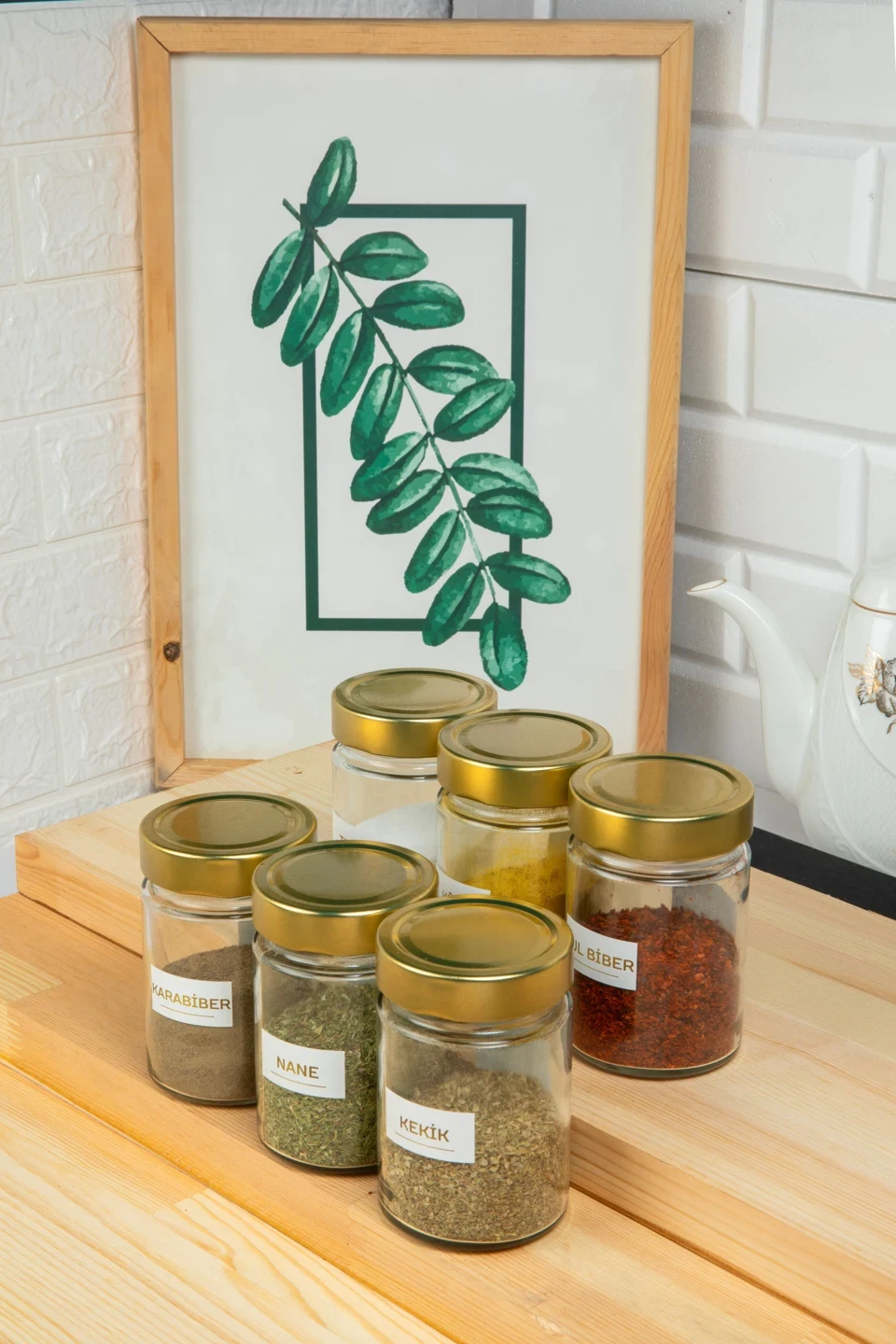
Keep seasonings you use most often separate from occasional baking spices, specialty blends and unopened backups. A daily group might include salt, pepper, garlic powder and the spices used in your own favorite recipes. There is no universal list that suits every kitchen.
Choose a storage location that protects flavor#
A cool, dry cupboard away from direct sunlight, steam and the hottest parts of the stove is usually a sensible place for dried spices. Keep jars tightly closed, use clean and dry measuring spoons, and avoid shaking a jar directly over a steaming pot.
University of Maine Cooperative Extension also recommends cool, dry, airtight storage and avoiding exposure to cooking steam. Dates on spice packaging may describe expected quality rather than a universal safety deadline; follow the product instructions and discard damp, visibly moldy or contaminated contents.
If your most convenient cupboard sits above a stove, check how warm it becomes while cooking. Moving the main collection a little farther away can be better than keeping everything at arm’s reach in an unsuitable environment.
Make every label visible#
For a shallow upper cabinet, a simple tiered riser lets you see the rows behind the front jars. Measure the shelf height with the tallest container in the back row, allowing space to lift it out. A riser that fills all the available vertical space can make the second row harder to use.
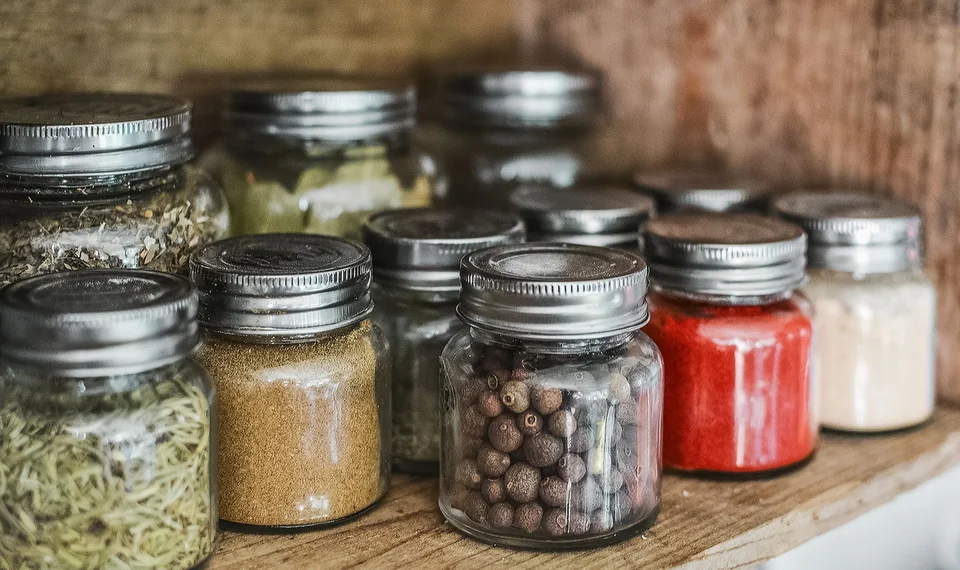
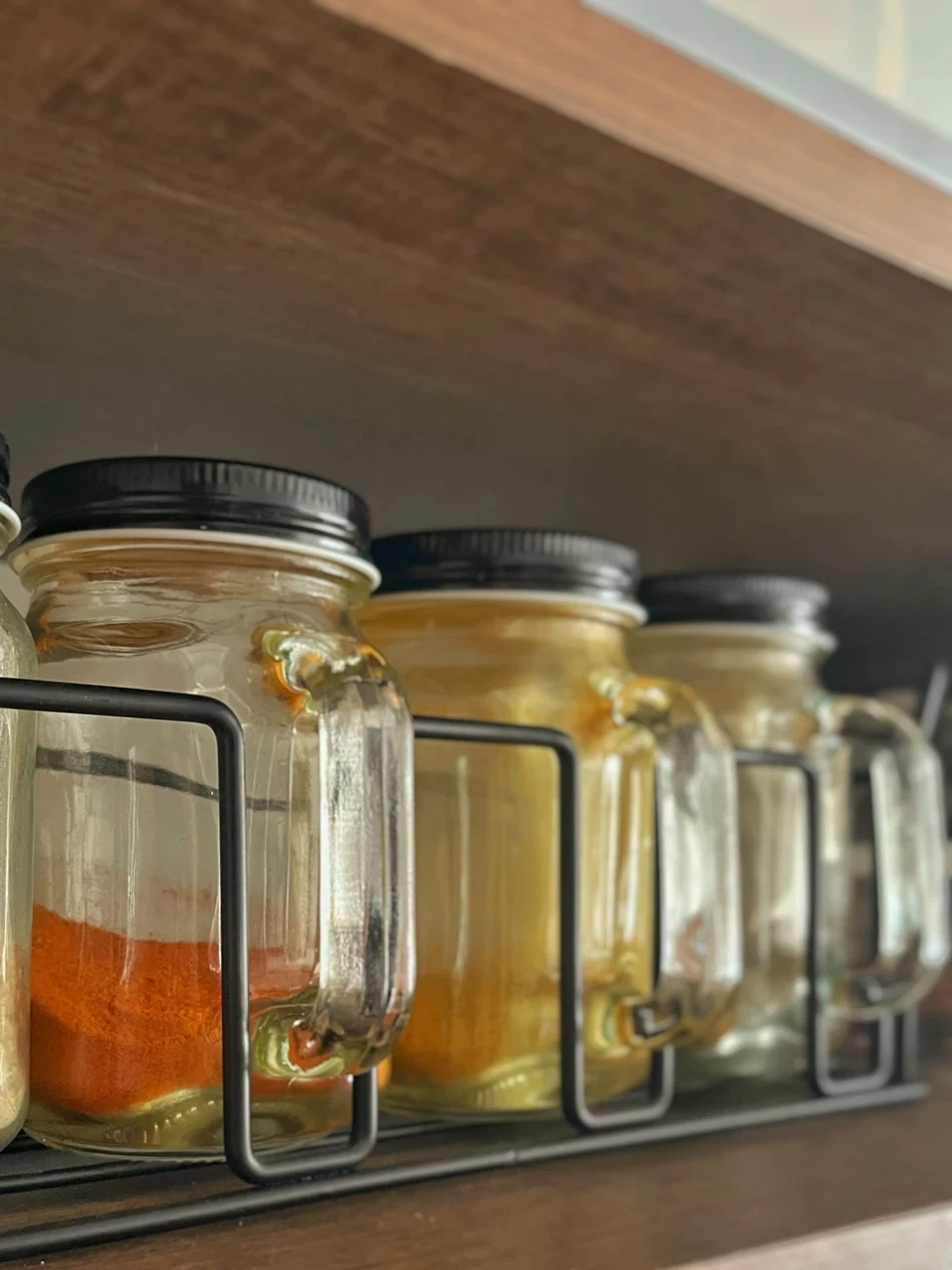
A deep shelf benefits from smaller pull-out bins arranged by purpose. Choose bins that can be lifted without catching on the door hinges, and avoid loading a container so heavily that reaching for a spice becomes a two-handed job.
If the cabinet holds tall oil or vinegar bottles as well, give them a separate zone rather than placing them in front of the spice labels.
Choose the right organizer for the space#
| Storage type | Works best in | Check before choosing |
|---|---|---|
| Tiered shelf | Shallow wall cabinet | Height above rear jars |
| Pull-out bin | Deep cupboard | Door and hinge clearance |
| Drawer insert | Shallow accessible drawer | Jar length and usable depth |
| Turntable | Square corner or deep shelf | Full turning diameter |
| Door rack | Compatible cabinet door | Shelf collision and fixing strength |
A turntable can be especially useful when you need to reach the back corner, but it may waste space in a very narrow cupboard. Measure the actual clear opening, not merely the width listed for the cabinet. Test the door swing with containers in their proposed positions.
For a drawer, place containers in a single layer and make labels readable from above. Measure the usable height with the drawer closed. A spice jar may fit the empty drawer but catch on the cabinet frame when placed on an angled insert.
Measure before buying: three worked examples#
Measure the narrowest opening with the door fully open, the usable shelf depth, and the lowest obstruction above the shelf. Include protruding hinges, shelf lips, jar lids and handles. The following dimensions are illustrative, not standard cabinet sizes.
| Example space | Organizer or jar assumptions | Approximate result |
|---|---|---|
| 14-in clear shelf width | 2-in jars with 0.25-in gaps; 0.5-in margin at each end | 5 jars per row |
| 10-in clear shelf height | 4-in jars on a 3-in rear step | 3 in above the jar before other obstructions |
| 12-in square clear shelf | 10-in turntable centered | 1 in on each side before jar overhang |
For the first example, five jars and four gaps occupy 11 inches; six jars and five gaps occupy 13.25 inches, exceeding the 13-inch usable width after the two margins. For the second, check that the front jars do not hide the rear labels and that you can lift the rear containers over any retaining lip. For the third, test the widest loaded footprint through a full turn.
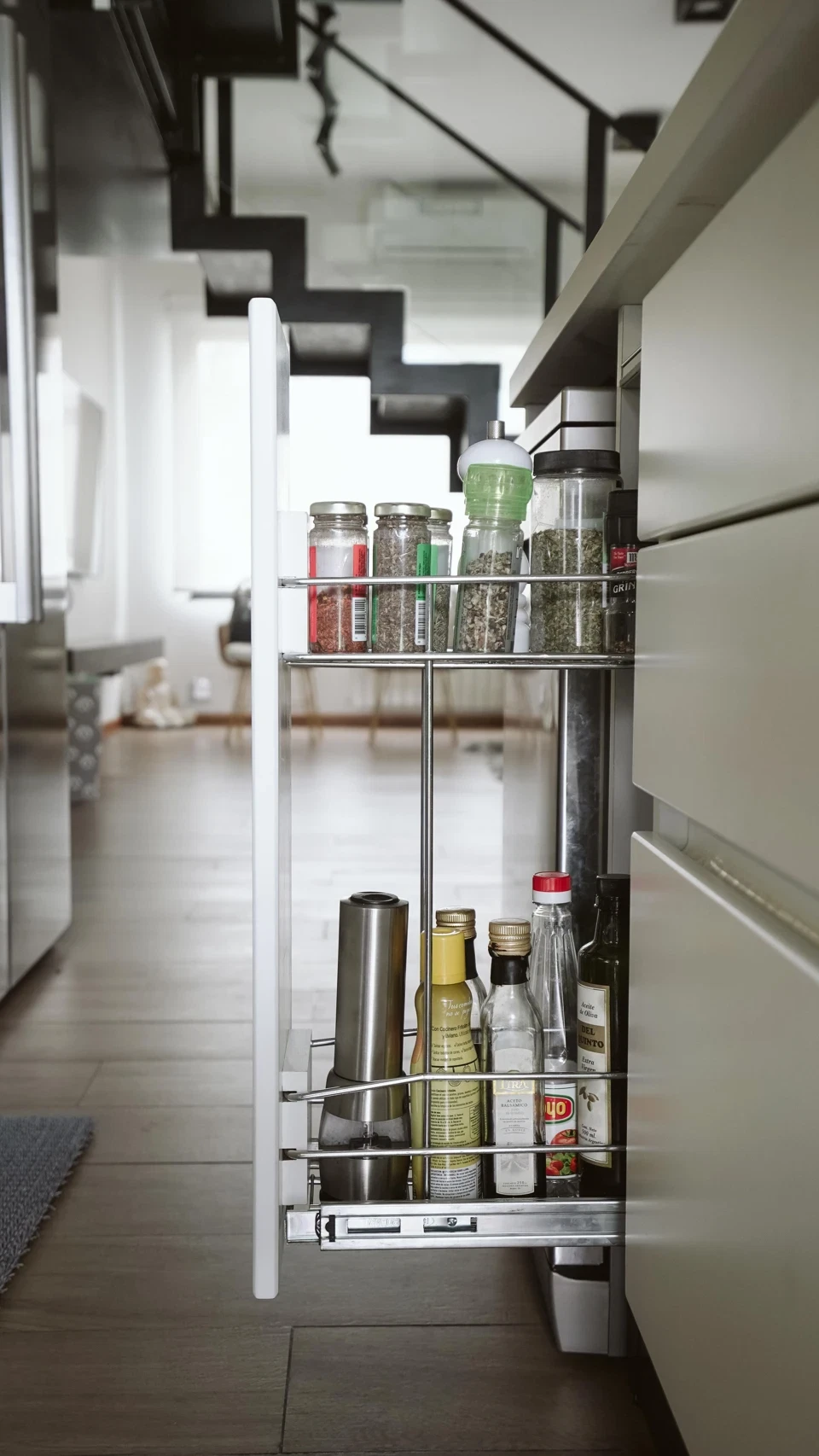
A narrow pull-out cabinet can be a better choice than a turntable if you have enough space in front for full extension. For a retrofit, check the hardware manufacturer’s installation dimensions, load rating and fixing instructions; do not assume a nominal cabinet width equals usable basket width.
Label for your cooking habits#
Uniform labels look lovely, but legibility matters more than typography. Write the name clearly and keep original ingredient and allergen information available when transferring contents. Label blends particularly carefully; two jars of similar-looking powder may contain very different ingredients.
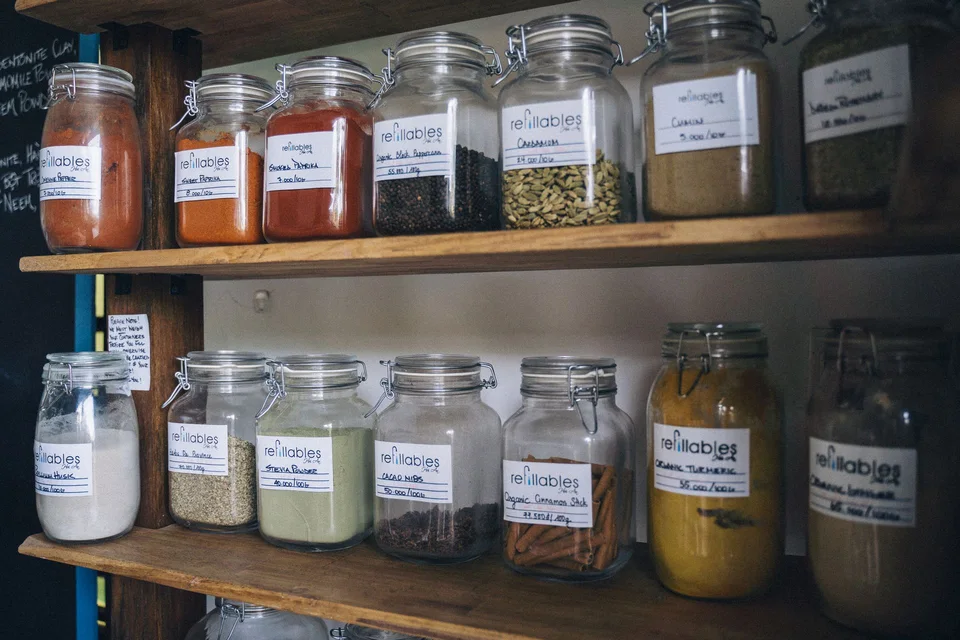
Alphabetical order works well if several people use the collection and know the names of the spices they want. Grouping by use may feel more natural if you frequently cook the same types of food. A baking group, an everyday savory group and a group for favorite regional dishes can be enough.
For a drawer, label lids when it makes the names easier to read. For a cupboard, use forward-facing labels and return jars to the same general section.
Make space for bulk purchases without creating duplicates#
Keep one open jar in the active area and unopened backups in a separate, clearly labeled location. Before refilling, check that the container is clean and completely dry, and retain useful date and ingredient information from the original packaging.
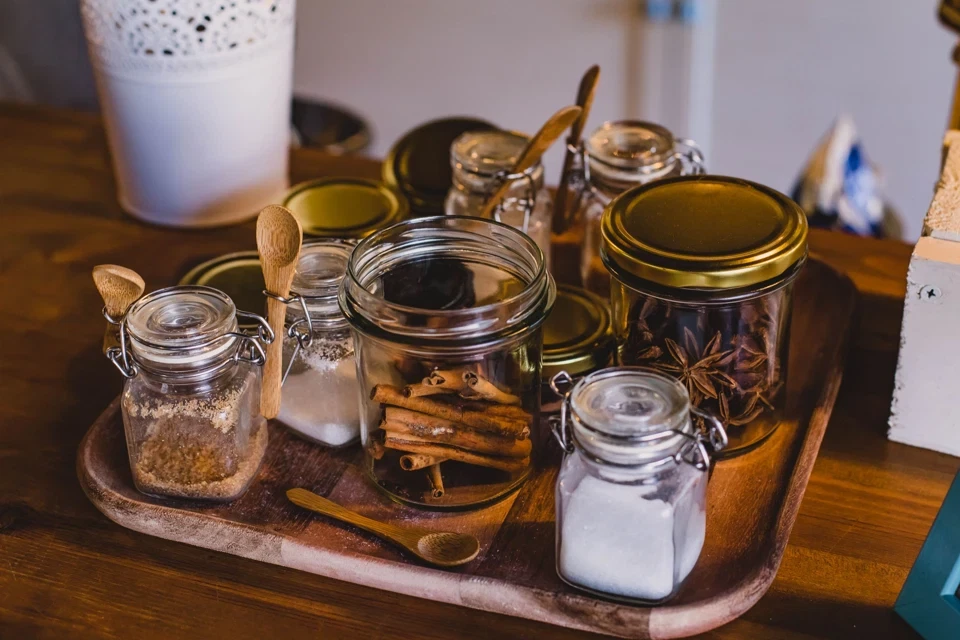
A simple inventory note on your phone can prevent buying the same seasoning repeatedly. Update the note when you finish a backup, rather than trying to maintain a detailed spreadsheet for every pinch of spice.
A realistic small-cabinet example#
Imagine two visible rows with five jars each, using the shelf example above. Put five daily seasonings in front, five less-used ones behind, and keep taller bottles and unopened backups separately. Adjust the arrangement for actual jar dimensions.
If you rent, start with a removable tray or freestanding riser instead of drilling into cabinet doors. For a door-mounted rack, check the loaded depth, door closing clearance and suitable fixings before installation.
After a week of cooking, notice which jars you repeatedly reach past. Move those to the front. If a bin is rarely opened, it may be better stored in a less valuable part of the kitchen.
For a broader approach, my modern kitchen storage ideas cover other useful ways to make cabinets easier to use. The most satisfying spice cabinet is not the one that looks like a shop display. It is the one you can cook from without thinking about where everything went.